


Synthetic identity fraud can pass a credit check when a criminal combines a real Social Security number with a fabricated name or date of birth. eCBSV verification gives eligible financial institutions a direct way to test whether those identity elements match Social Security Administration records before risk moves deeper into the onboarding process.
Explore Vouched solutions for secure banking and KYC onboarding.
eCBSV verification is an official service from the Social Security Administration that helps approved financial firms check customer data in real time. The platform compares a person's name, birth date, and Social Security number against the government's master records to return a clear match result. This direct check is a vital tool for stopping fraud, which often uses real numbers with fake names to trick bank systems. According to the Social Security Administration, the service needs clear written consent from the person before any data is shared. By using this digital process, banks can replace slow paper checks with a secure, fast system that protects the firm and the user. The result is a better onboarding path that meets strict legal standards for safety and compliance.
What is eCBSV verification?
eCBSV stands for electronic Consent Based Social Security Number Verification. It is a fast way for banks and other firms to check if a person's Social Security Number (SSN) matches government records. The Social Security Administration (SSA) built this system to fight identity theft and fraud. It was created following the Economic Growth, Regulatory Relief, and Consumer Protection Act. Most people in the finance world call this law the Banking Bill. This law asked the SSA to make a way for firms to check fraud data online.
A digital tool for fraud protection
Before this system existed, checking SSN data was often slow and used paper forms. Section 215 of the Banking Bill changed that by telling the SSA to build a digital database. This tool is a fee-based service that allows a SSA eCBSV integration to work in real time. Not just any group can use this service. A firm must be an allowed group as defined by the law. These firms must have a valid tax ID and sign a formal statement every two years to prove they follow the rules.
How the match process works
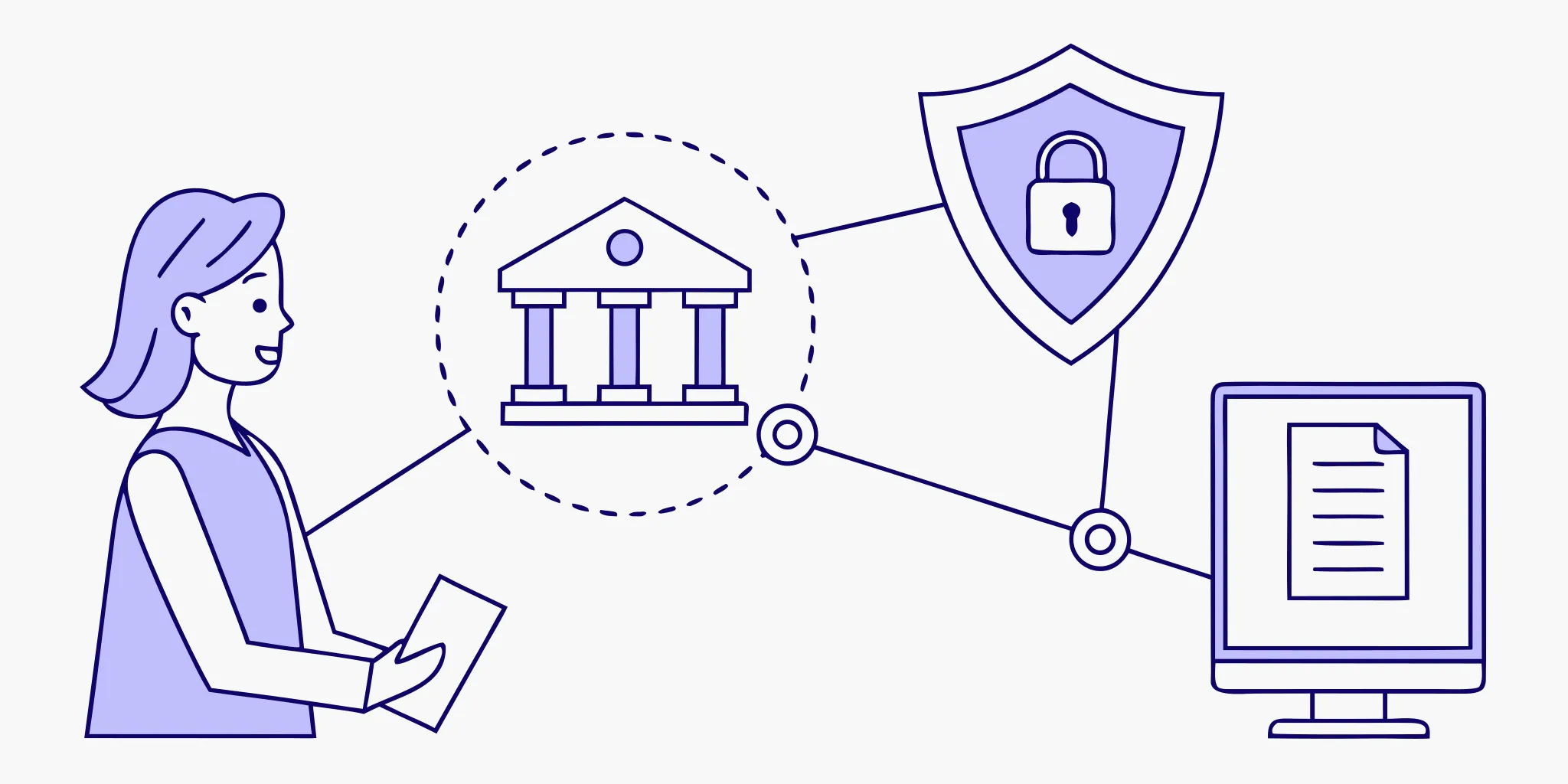
When a firm runs a check, they send a person's name, SSN, and date of birth to the agency. The system looks through its records and gives a simple yes or no match result. The SSA does not give out SSNs to firms. It only compares the data a firm already has against its own files. This match or no-match response helps firms know if the user is giving true data. If there is no match, the system gives extra info to show which part failed, such as the name or date of birth. A key part of the check is the death indicator. This tells the firm if the person tied to that SSN is marked as deceased in the records. Using eCBSV verification for financial institutions helps banks find synthetic fraud where a thief uses a dead person's ID to open an account.
The need for person consent
The law puts a high value on privacy. The SSA cannot share any data without the person's written consent. Getting the person's okay is a firm rule that the SSA strictly enforces. The consent can be a classic wet signature on paper or a modern digital sign-off. The person must sign this paper or click the box themselves to allow the check. This step ensures that people know when their data is being used for a fraud check. Even with a match, this tool is not a full identity proof on its own. It only says if the data on the form matches the data on file. Banks should use this check as one part of a full plan to verify new users and stop crime.
When should financial institutions use eCBSV?
Banks and other money firms use eCBSV verification at key times in a customer's path. Most firms add this check when they need the highest level of trust for a person's data. Since it links to government files, it is a top tool for high-risk tasks. It helps firms follow the law while keeping the signup process fast. These checks give banks peace of mind that their users are real.
Account opening and digital signup
Online banks often use this service when a new user joins. It helps check that the name, birth date, and Social Security number all match. This check is vital to meet strict legal rules. By using eCBSV verification for financial institutions, banks can approve more real users and block bad actors. The process is quick, which keeps users happy. It also cuts down on the need for manual work that can slow things down.
When users sign up from their phones, they expect a fast path. A slow check can make a new user leave. This tool helps banks balance speed with safety. It acts as a fast gate that lets real people through in seconds. Firms can then spend more time on other parts of the risk check. This keeps the flow smooth for the user.
Lending and credit risk
Lenders use this tool before they give out large loans or credit lines. A small error in a person's data can lead to big money losses. The Social Security Administration provides a clear yes or no match to check the data. This helps lenders avoid errors that might occur with older data sources. It is a key step for mortgages, car loans, and personal credit lines.
The service also helps with risk by showing if a person is marked as deceased. This death check is a major win for safety teams. It stops fraud that uses the identities of people who have passed away. For large loans, this extra layer of truth is a must. It protects the bank from lending money to a fake person. This is a strong way to lower risk.
Stopping synthetic identity fraud
One major use is to stop synthetic identity fraud. This is a type of crime where a person builds a fake identity. They use a mix of real and fake data to trick the bank. Since this check looks at the full set of data together, it can find these fake identities fast. It ensures the person is who they say they are. Many firms now use this as part of a data verification suite. It helps build a strong wall against fraud from the very first step.
Synthetic fraud is hard to find with basic checks. Bad actors may use a real SSN with a fake name. Or they may use a real name with a fake birth date. This tool stops those tricks by checking all three parts at once. It is a simple way to find deep fraud that other tools might miss. It keeps the whole system safer for everyone.
High-risk tasks and account changes
Firms also use this check for high-risk changes to an account. This includes changing a home address or adding a new name to an account. When a user asks for a big wire transfer, a bank may want to re-check their data. This keeps the account safe from takeovers. It ensures that the person making the change is the true owner of the account. This helps prevent theft and loss of funds.
Using the service for these tasks helps firms stay safe and grow fast. It allows for a smooth flow for users while keeping bad actors out. While the tool needs consent from the user, most real people are happy to give it for safety. It shows the bank takes their identity and money seriously. This builds trust between the bank and its users.
How to implement consent-based verification
The Social Security Administration requires permitted entities to obtain the SSN holder's consent before an eCBSV request. Treat consent as a core part of the product flow, not a buried checkbox added at the end.
1. Define the permitted purpose
Document why the institution needs the check, which product uses it, and what decision the result supports. Compliance and legal teams should review the planned use and the customer-facing language.
2. Present a clear consent step
Tell the applicant what data will be checked, who will perform the check, and why. Keep the action explicit. The applicant should be able to understand the request before agreeing.
3. Keep an auditable record
Store evidence of the consent event, including the version of the disclosure, time, and relevant applicant or session details. Limit access to sensitive data and apply the institution's retention rules.
4. Send only the data needed
Validate fields before sending the request. Clear input prompts can reduce avoidable mismatches caused by a typo or format issue. Protect Social Security numbers in transit and at rest.
5. Plan the next step
Define what happens after a match, mismatch, error, or unavailable result. Give legitimate applicants a way to correct details or provide more proof. Review the workflow with risk and compliance teams before launch.

ECBSV versus other identity verification checks
Each identity check answers a different question. eCBSV tests whether key personal data matches SSA records. It does not replace document, biometric, device, or fraud checks.
| Check | What it helps answer | Key limit |
|---|---|---|
| eCBSV | Do the name, date of birth, and SSN match SSA records? | Does not prove the applicant owns the data |
| ID document check | Does an identity document appear valid? | A valid document may be stolen or misused |
| Biometric comparison | Does the applicant appear to match the document holder? | Depends on image quality and liveness controls |
| Database check | Do identity details align across trusted sources? | Coverage and freshness vary |
| Device and fraud signals | Does the session show signs of abuse? | Signals can change and need context |
Use the result as one signal
A match can add confidence that the submitted identity data is real. Yet a fraudster may have stolen correct data. Pairing source checks with proof of possession and session risk gives teams a stronger basis for a decision.
Match the stack to the risk
A low-risk product may need fewer checks than a high-value loan or account. Teams can step up proof when signals conflict, while keeping the path fast when signals agree.
How to design an eCBSV decision workflow
A strong flow for eCBSV verification helps teams act on data fast. Leaders must build a system that sorts results and flags risks. This flow should guide how your app treats every person based on their match status. By setting clear rules, you can stop fraud without slowing down real users.
Designing for yes or no match results
The SSA system gives a simple yes or no match. A "yes" means the name, SSN, and birth date all line up with SSA files. Most firms allow these users to move ahead right away. This speeds up the signup process for good customers.
A "no" match needs more care. It tells you which part of the data did not match. This could be a small typo or a sign of a fake ID. Your flow must decide if a "no" results in a block or a manual check. Use the SSA match response to guide these choices. This response may also show if the SSN holder is listed as dead in SSA records.
Fraud teams should treat a death match as a high risk. If the system flags a user as dead, the flow should block them at once. This stops bad actors from using the IDs of people who have passed away. Such checks are a key part of guarding your firm from fraud.
Managing exceptions and fallback paths
Not every "no" is a fraud attempt. Sometimes a user makes a mistake when typing their name or SSN. A good flow offers a way to fix these errors. You might ask the user to check their data and try again. This helps keep real people in your system and makes the flow better.
Fallback paths are vital when eCBSV cannot verify a user. If a match fails twice, you can move the user to a manual review. You may also ask for a photo ID or a live selfie to prove who they are. These steps are common in eCBSV verification for financial institutions that need high security. Using data checks with visual IDV creates a full safety net.
Another path is to use other data to verify the user. If the SSA match fails, you can look at credit or phone records. This layered way of working keeps the signup flow moving. It ensures that honest users can still get through even with data errors.
Key metrics for workflow success
Tracking success is a key part of the design. You should watch your pass rates and dropout rates. High dropout rates might mean your flow is too hard. Low pass rates could show a problem with how you collect data from users.
Monitor the time it takes to reach a final choice. The goal is to verify most users in under ten seconds. Quick choices lead to more revenue and happy customers. Use these facts to tune your rules over time. Good metrics help you see which steps in the flow need to change.
Finally, look at your manual review rate. If too many users end up in a manual queue, your flow is not doing its job. Aim for a high auto-pass rate for good users. This saves your team time and helps your business grow fast.
Build eCBSV into a broader identity program
eCBSV is a strong source check, but it answers one narrow question: whether a submitted name, date of birth, and Social Security number match SSA records. It does not prove that the person submitting those details owns them. Financial institutions should treat the result as one signal in a layered risk decision.
Pair source checks with identity proofing
A broader workflow can combine eCBSV with document checks, biometric comparison, device signals, and trusted data sources. Vouched identity verification helps teams bring these checks into one onboarding flow. The goal is to match the level of proof to the risk of the product and applicant.
For example, a positive eCBSV response can support a low-friction path when other signals agree. A mismatch or inconsistent device signal can route the applicant to a review or added proof step. This keeps a single result from becoming an automatic approval or decline.
Design for financial-services risk
Banks and fintechs need controls that support growth without hiding risk. Vouched IDV combines proprietary AI with real-time data checks and can verify users in under 10 seconds with 99% accuracy. Explore Vouched solutions for banking and KYC to see how eCBSV can fit into a wider identity program.
See how Vouched IDV brings real-time data checks into a fast, secure identity verification workflow.
Questions to ask before deploying eCBSV
A sound eCBSV rollout starts with the decision you want to improve, not the API call. Product, risk, compliance, and engineering teams should agree on the role of the result before they build the workflow.
Consent and controls
- How will you present consent clearly and keep proof of it?
- Which teams can access submitted Social Security numbers and match results?
- How long will you retain consent records and verification data?
- Who will review the consent language and workflow before launch?
Decision and exception paths
- What does a match change in the onboarding decision?
- Will a mismatch trigger added proof, manual review, or a decline?
- How will you handle input errors and applicants with limited records?
- Which signals must agree before an account or loan moves forward?
Performance and monitoring
- What are your target completion time and applicant drop-off rate?
- How will you measure match rates by product and applicant segment?
- Can the provider give useful audit records and clear error responses?
- How often will risk and compliance teams review the policy?
The best deployment makes each outcome explainable. Teams should know what was checked, what the result meant, and why the workflow took its next step.
Frequently asked questions about eCBSV verification
What does eCBSV verify?
eCBSV checks whether a submitted name, date of birth, and Social Security number match Social Security Administration records. It can also return a death indicator when SSA records show that the SSN holder is deceased.
Does eCBSV prove a person's identity?
No. A match confirms that the submitted data aligns with SSA records. It does not prove that the applicant owns those details, so financial institutions should combine it with other identity and fraud checks.
Is consent required for eCBSV?
Yes. The service is consent based. A permitted entity must collect valid consent from the SSN holder before sending a verification request and should keep an auditable record of that consent.
What happens after an eCBSV mismatch?
A mismatch should not be treated as proof of fraud by itself. It may come from an input error or inconsistent records. A well-designed workflow offers a correction path, added proof, or manual review based on risk.
Strengthen financial onboarding with Vouched
Use eCBSV as part of a fast, secure, and auditable identity workflow. Vouched helps financial institutions reduce fraud while keeping legitimate applicants moving.
Book a demo to see how Vouched can support your banking and KYC program.